Drywall Equipment Canada: Essential Tools for Efficient Drywall Projects
- A successful drywall project depends on more than accurately installed sheets. From measuring and preparation to taping, finishing, and sanding, each stage requires equipment suited to the task. The right setup can improve consistency, reduce unnecessary effort, and help workers move through a project with fewer interruptions.
When selecting drywall equipment canada, it makes sense to think about the complete workflow rather than individual tools in isolation. Professional finishers, contractors, renovators, and experienced DIY users may have different needs, but everyone benefits from equipment that is practical, comfortable, and appropriate for the scale of the job.
Understanding the main equipment categories can make it easier to build a useful drywall setup without accumulating tools that rarely get used.
Start With the Complete Drywall Process
Drywall work involves several distinct stages. Planning equipment around those stages creates a more organized approach.
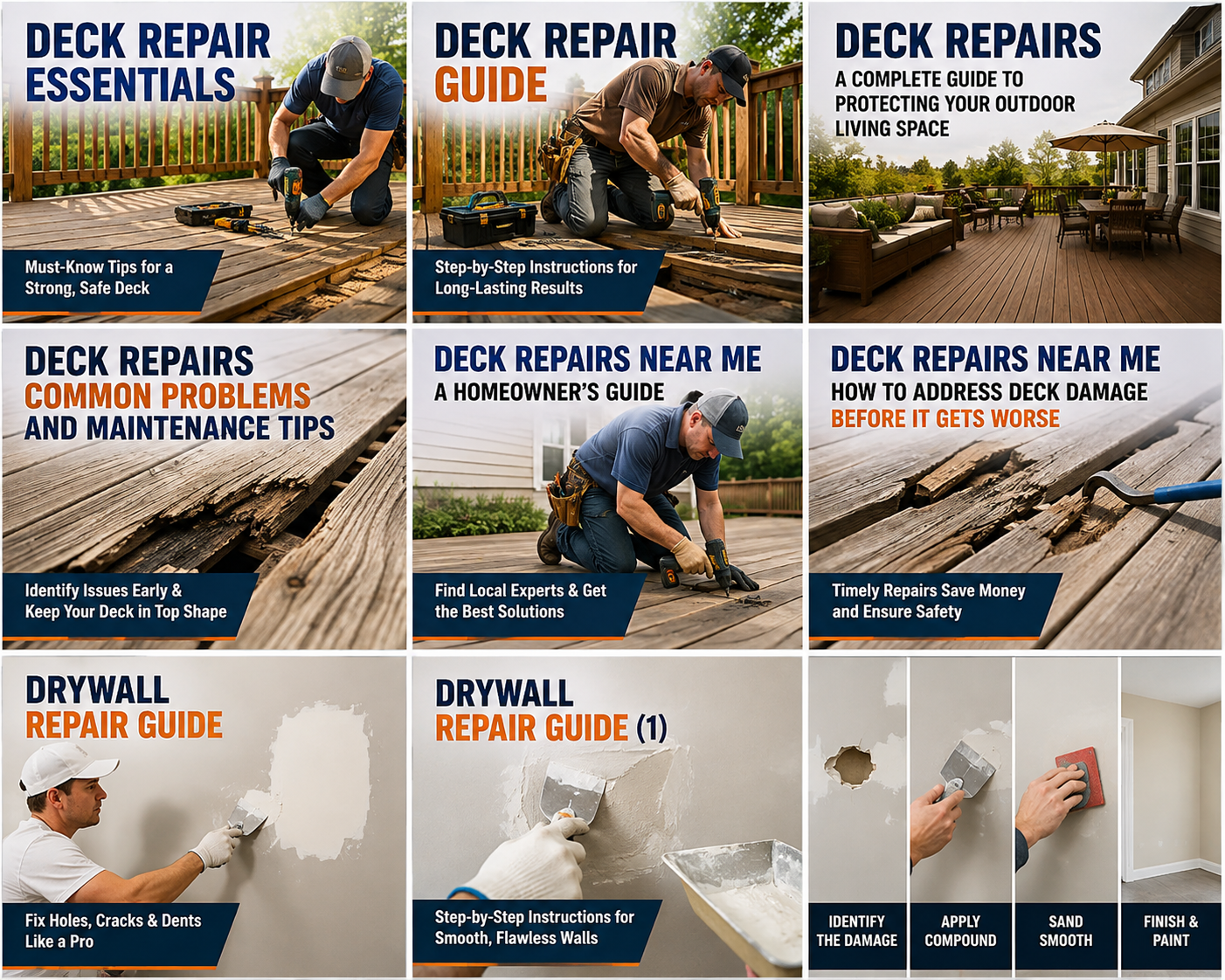
Installation typically requires measuring, cutting, positioning, and fastening. Finishing then involves treating joints, applying tape, covering fasteners, building compound coats, addressing corners, and preparing surfaces for decoration.
When researching drywall equipment Canada options, consider which parts of this process you perform regularly.
A contractor completing entire interiors may require a broader setup than someone focused mainly on repairs or renovations.
Equipment for Drywall Preparation
Good finishing begins with properly prepared surfaces.
Before taping starts, inspect joints, fasteners, board edges, and corners. Problems at this stage can become more noticeable after compound is applied.
Basic preparation equipment should help workers identify and correct irregularities before finishing begins.
Measuring and Cutting Matter
Accurate measurements reduce waste and make installation easier.
Cutting equipment should provide sufficient control for the type of board and project being completed. Clean, deliberate cuts can help create more manageable joints and openings.
When choosing drywall equipment Canada, do not overlook these fundamental tools simply because specialized finishing equipment receives more attention.
Strong fundamentals make every later stage easier.
Taping Equipment Can Streamline Repetitive Work
Taping is one of the most recognizable stages of drywall finishing. Tape needs to be positioned over joints with appropriate compound beneath it, creating a foundation for later coats.
The amount of taping required should influence equipment selection.
Small repair jobs may call for a simple approach. Larger interiors with extensive seams can benefit from equipment designed to make repetitive application more systematic.
Consider Your Typical Project Size
Project scale changes equipment requirements.
If most jobs involve multiple rooms and long joints, efficiency across repeated tasks becomes important. If projects typically involve isolated repairs, portability and straightforward setup may matter more.
There is no universal drywall equipment Canada configuration that suits every worker. The most useful setup reflects the work performed most frequently.
Corner Finishing Requires Specialized Attention
Inside and outside corners introduce challenges that differ from flat seams.
Inside corners require controlled compound application and careful finishing along intersecting surfaces. Depending on the working method, specialized corner equipment can help create greater consistency.
The important point is not simply owning more tools. Each piece of equipment should solve a specific problem.
If corner work represents a significant portion of your projects, dedicating part of your drywall equipment Canada setup to that stage can make practical sense.
Think About Reach and Accessibility
Drywall work frequently extends beyond comfortable standing height.
Ceilings, tall walls, stairwells, and other elevated areas can make positioning more difficult. Equipment that supports appropriate reach may help workers maintain better control without excessive stretching.
However, accessibility should always be considered alongside safe working practices.
Plan the Room Before Beginning
Before starting a finishing stage, walk through the area.
Identify obstacles, confined spaces, high sections, and locations where movement may be restricted. Arrange materials so frequently used items remain reasonably accessible.
A well-organized work area allows drywall equipment Canada users to spend more time working and less time searching for tools or moving supplies.
Ergonomics Deserve Serious Consideration
Drywall installation and finishing involve repetitive movements. A tool that feels slightly awkward during a short task can become uncomfortable after extended use.
Evaluate grip, balance, weight, reach, and operating motion.
Consider how the equipment feels when working at different heights and angles. Whenever possible, choose tools that support controlled movement without forcing the body into unnecessarily awkward positions.
Efficiency is not only about speed. Reducing wasted movement can be equally valuable.
Cleaning Equipment Protects Your Workflow
Joint compound and drywall dust can quickly accumulate on tools.
Once compound hardens, cleaning may become more difficult. Material buildup can also interfere with working edges and moving components.
For this reason, maintenance should be considered when selecting drywall equipment Canada.
Create a Simple Cleaning Routine
Do not wait for equipment to become heavily contaminated.
Remove compound after finishing sessions and inspect areas where material tends to collect. Keep tools appropriately clean throughout longer projects when buildup begins affecting normal use.
Dry equipment as required and store it carefully after cleaning.
A consistent routine can make the next working day easier to start.
Storage and Transport Are Part of Tool Selection
Professional drywall equipment frequently moves between jobsites.
That means portability and storage deserve attention. Tools should be organized so delicate working surfaces are not damaged by heavier equipment during transportation.
Keeping equipment arranged by function can also reduce setup time.
For example, frequently used finishing tools can be stored together rather than scattered across several unrelated containers.
An organized drywall equipment Canada collection is easier to inspect, transport, and maintain.
Build Your Setup Gradually
It is easy to assume that a complete drywall toolkit must be purchased at once. In practice, building equipment around actual project requirements can be more effective.
Start with the tools needed for your most common tasks. As workload changes, identify areas where additional equipment could genuinely improve the process.
This avoids unnecessary duplication while allowing the setup to evolve with experience.
Choose Drywall Equipment With a Purpose
Selecting drywall equipment Canada is ultimately about creating a practical system for the work you perform. Consider preparation, installation, taping, corner finishing, accessibility, ergonomics, maintenance, storage, and transportation as connected parts of the same workflow.
Specialized equipment can improve efficiency, but only when it serves a clear purpose. Good preparation and skilled technique remain essential regardless of how extensive a toolkit becomes.
By choosing equipment around real jobsite requirements and maintaining it carefully, drywall professionals and renovators can build a dependable setup that supports consistent work from initial preparation through the final finishing stages.