
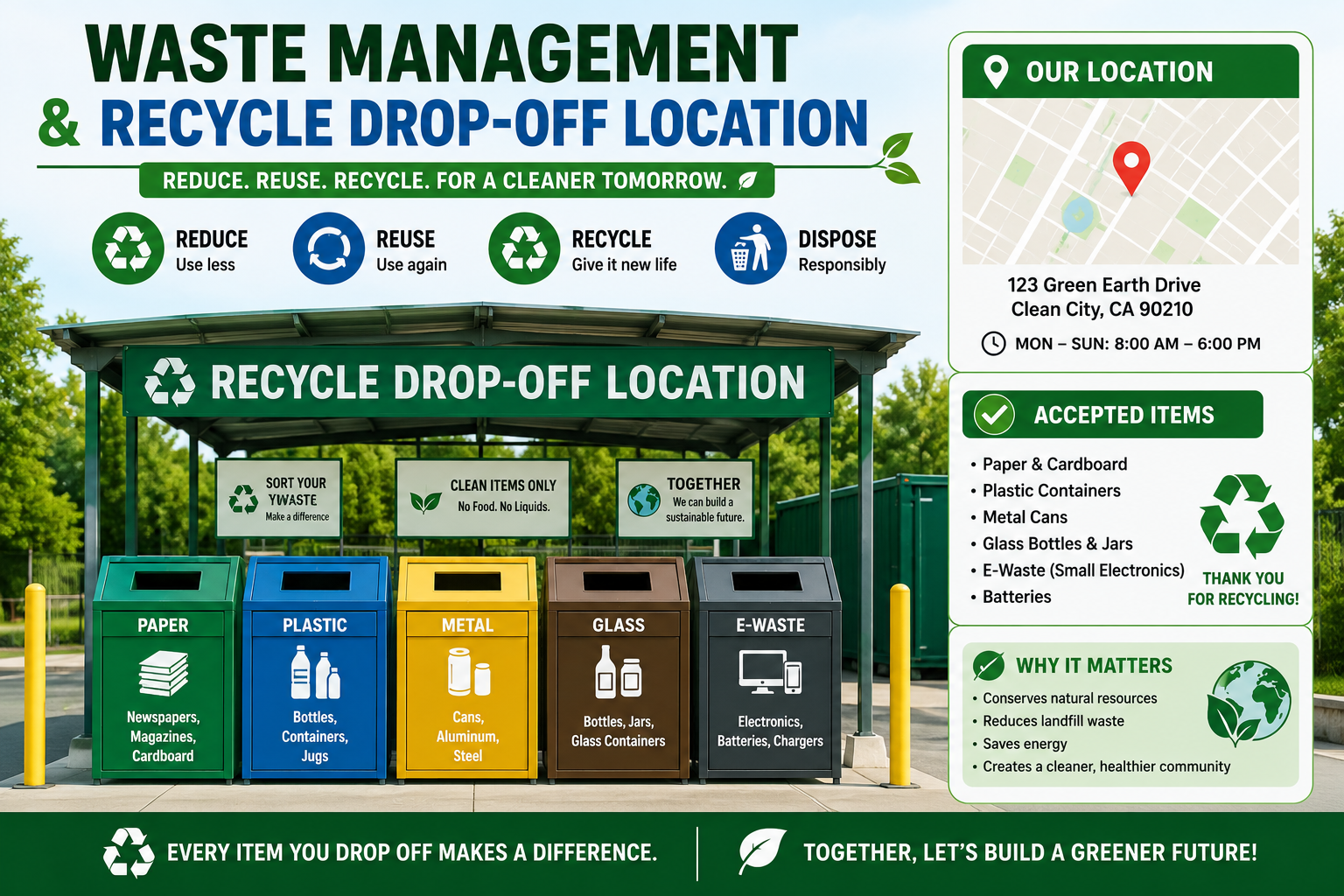
Landfill Diversion: Practical Ways to Reduce Waste Sent to Disposal
Every renovation, construction project, property cleanout, and day-to-day operation generates materials that eventually need somewhere to go. The easiest response may be to treat everything as garbage, but that approach can send reusable and recyclable resources into the waste stream unnecessarily. A better strategy begins by looking at unwanted materials individually and deciding whether they have another practical destination.
Landfill diversion focuses on reducing the amount of material sent for final disposal through waste prevention, reuse, recycling, and better sorting. It does not mean that every item can be recovered. Instead, it encourages smarter decisions so that disposal becomes the final option rather than the automatic first choice.
What Does Landfill Diversion Actually Mean?
Landfill diversion is the process of directing suitable materials away from landfill disposal.
This can happen in several ways. A usable item may be reused rather than discarded. Wood, metal, cardboard, drywall, or other suitable materials may enter appropriate recycling streams. Projects can also prevent waste by purchasing carefully and using materials more efficiently.
The most effective approach usually combines these methods instead of relying on recycling alone.
Start With Waste Prevention
The simplest waste to manage is waste that was never generated.
During construction and renovation work, accurate measurements can reduce unnecessary material offcuts. Careful ordering can prevent excess supplies from becoming unwanted leftovers.
For household cleanouts, buying durable items and maintaining existing belongings can also reduce how frequently materials enter the waste stream.
Make Reuse the Next Consideration
When an item is no longer needed, ask whether it remains genuinely useful before discarding it.
Building materials, furniture, storage items, and other belongings may sometimes have continued value if they remain safe and suitable for use.
Reuse can extend the useful life of a material without immediately requiring recycling or disposal.
However, damaged or unsafe materials should not be reused merely to prevent waste. Responsible diversion still requires appropriate judgment.
Separate Recyclable Materials at the Source
Once waste is generated, sorting becomes one of the most important landfill diversion practices.
Construction debris is a good example. A renovation may generate wood, metal, cardboard, drywall, and general garbage. If everything enters the same pile, recovering individual materials becomes more difficult.
Separating them as they are generated creates cleaner waste streams.
Create Dedicated Collection Areas
A simple sorting system can work for projects of almost any size.
Choose separate collection areas for the major materials you expect to generate. Keep the categories straightforward so everyone involved understands where materials belong.
A homeowner may need only a few designated areas, while a larger construction site may require a more structured system.
Prevent Contamination of Recoverable Materials
Sorting alone is not enough if recyclable materials become heavily contaminated.
Keep cardboard away from liquids and wet garbage. Avoid mixing food waste with construction materials intended for recycling. Do not place unknown substances into a recycling pile simply because disposal elsewhere seems inconvenient.
Cleaner separation can make material handling more efficient.
When planning where sorted debris should go, checking a local recycling and waste diversion location can help identify a suitable destination for applicable materials.
Landfill Diversion During Renovations
Renovations offer many opportunities to improve waste management because several material streams are often generated at once.
Demolition may produce drywall, lumber, metal components, flooring, and fixtures. New installations can add cardboard, packaging, and material offcuts.
Planning before work starts makes these streams easier to control.
Sort During Demolition
Waiting until demolition is complete often results in one large mixed pile.
Instead, separate major material categories as walls, cabinets, flooring, or other components are removed. This may require slightly more organization during the work, but it can eliminate a difficult sorting task later.
It also helps keep the job site cleaner.
Improve Diversion on Construction Sites
Construction teams can make landfill diversion part of everyday site management rather than treating it as a final cleanup activity.
Start by identifying which waste streams are likely to be generated at each stage of the project. Then establish practical collection points close enough to work areas that people will actually use them.
Clear communication matters too.
Workers should understand the sorting system and know what to do when they encounter an unfamiliar material.
Review Waste as the Project Changes
Waste streams can change significantly throughout a project.
Early demolition may generate heavy building debris, while later stages produce packaging and smaller offcuts. Review collection areas periodically and adjust them to match current work.
A flexible waste plan is often easier to maintain than a system created once and never updated.
Measure What Is Being Thrown Away
One useful way to improve landfill diversion is to observe what repeatedly enters the general waste stream.
If large amounts of one material keep appearing, ask why.
Could ordering practices be improved? Is there an appropriate recycling stream? Are workers mixing recyclable material with garbage because collection areas are inconvenient?
Even informal observation can reveal opportunities for improvement.
Avoid Wishful Recycling
Effective diversion is not about placing everything into recycling.
Some materials may not be suitable for available recycling streams. Putting unacceptable items into a recycling pile can create contamination and additional sorting work.
When uncertain, verify material requirements before deciding where something belongs.
Responsible landfill diversion recognizes that some waste will still require disposal.
Make Transportation Part of the Plan
Separated materials eventually need to reach an appropriate destination.
Organize transportation so different waste streams remain separate. Load similar materials together where practical and secure loose debris before travelling.
Cardboard, lightweight wood, and smaller construction materials should never be allowed to blow from an uncovered vehicle.
Avoid overloading simply to reduce the number of trips.
Apply Diversion Principles to Household Cleanouts
Landfill diversion is not limited to large construction projects.
When clearing a garage, basement, shed, or storage room, divide unwanted belongings into reuse, recycling, and disposal categories.
Work through one area at a time rather than creating an enormous mixed pile. This makes decisions easier and prevents useful materials from becoming buried beneath garbage.
The same basic principles used on construction sites can therefore work at home on a smaller scale.
Turn Better Waste Decisions Into a Routine
A successful diversion strategy depends on consistency.
If sorting happens only occasionally, recyclable materials will continue entering general waste. Establishing convenient collection areas and clear habits makes responsible decisions easier.
For recurring property maintenance or construction work, review the waste system regularly. Look for opportunities to prevent material waste before it occurs and improve separation where necessary.
Conclusion
Landfill diversion is not a single recycling activity. It is a broader approach to waste management that prioritizes prevention, responsible reuse, recycling, and appropriate disposal.
Begin by reducing unnecessary waste. Reuse suitable materials where practical, separate recyclable resources as they are generated, prevent contamination, and verify acceptance requirements before transportation.
Whether managing a household cleanout or a construction project, these habits can create a more organized waste stream. When disposal becomes the last consideration rather than the first, more useful materials have an opportunity to remain in circulation instead of unnecessarily occupying landfill space.