IT Managed Services Provider: Building Reliable Technology for Modern Business
Technology plays a central role in almost every business process, from employee communication and customer management to data storage and daily operations. Yet as technology environments become more sophisticated, maintaining them can demand significant time, expertise, and attention. A single overlooked update, security weakness, or network problem can interrupt productivity and create unnecessary risk.
Working with an it managed services provider gives organizations a structured approach to maintaining their technology environment. Rather than relying solely on reactive troubleshooting, managed IT emphasizes prevention, continuous oversight, security, support, and long-term planning.
For organizations that want dependable systems without allowing technical responsibilities to distract from core priorities, this model can provide a practical foundation.
What Does an IT Managed Services Provider Do?
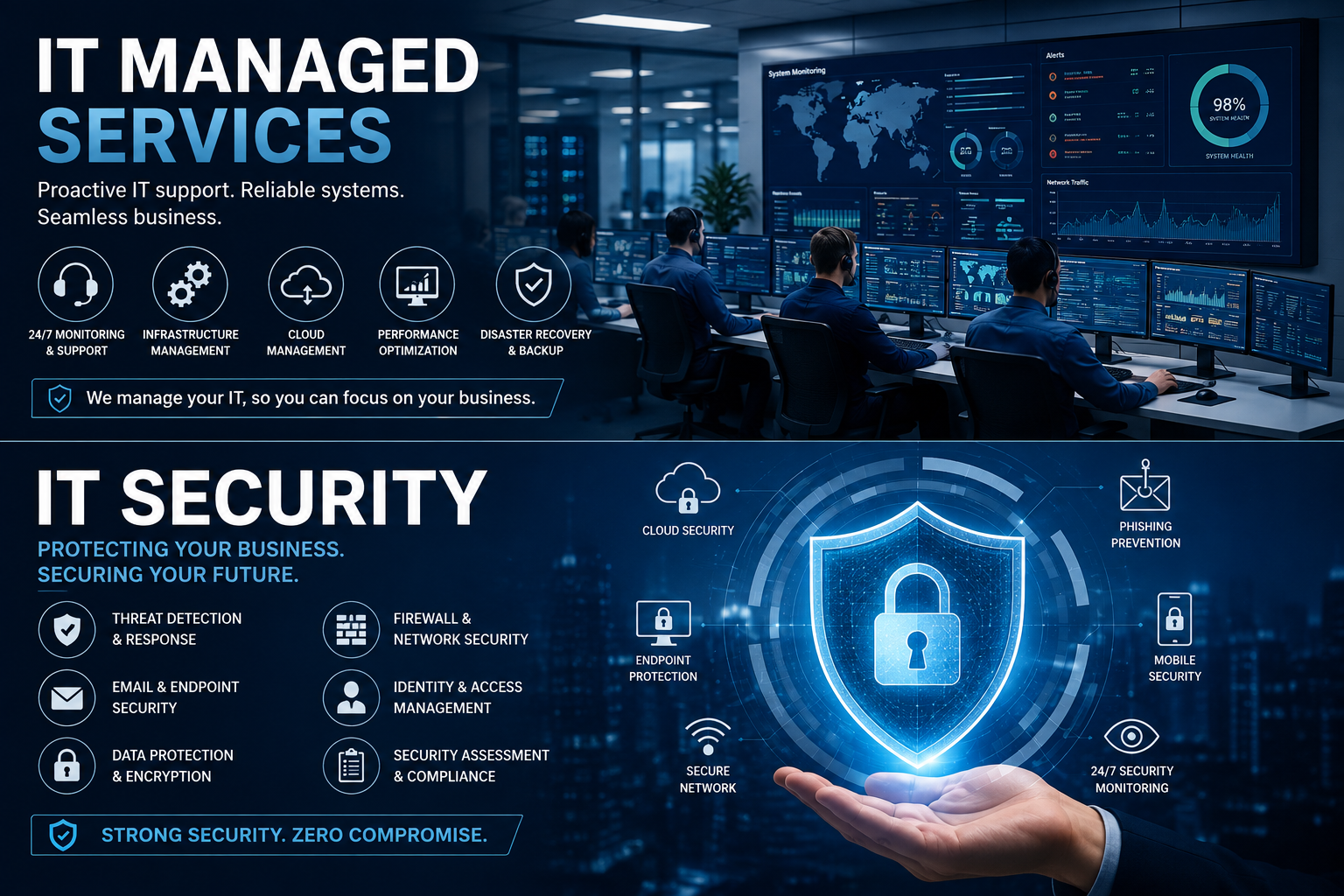
An IT managed services provider assumes responsibility for agreed areas of an organization’s technology operations. Depending on business requirements, this may include network management, system monitoring, cybersecurity, backup administration, user support, device management, and technology planning.
The relationship is usually ongoing rather than based on isolated repair requests.
This continuity allows an IT managed services provider to develop a deeper understanding of an organization’s infrastructure. Over time, technicians can recognize recurring problems, identify weaknesses, and recommend improvements based on actual operating patterns.
Moving From Reactive to Proactive IT
Traditional technical support often begins when something stops working. Although resolving failures remains necessary, constantly reacting to problems can be inefficient.
Managed IT changes that approach.
Detecting Problems Before They Cause Disruption
Monitoring systems can identify unusual behavior, storage limitations, hardware concerns, connectivity problems, and other warning signs. Addressing these indicators early may prevent more serious interruptions.
An IT managed services provider can combine monitoring with scheduled maintenance, system reviews, and routine updates. The objective is to reduce the number of unexpected problems employees experience.
Businesses interested in reliable local technology assistance should consider whether potential support arrangements include proactive maintenance alongside everyday troubleshooting.
Supporting Employees and Productivity
Even minor technical difficulties can affect employee performance. A slow device, inaccessible account, software error, or unreliable connection can interrupt work and consume valuable time.
Creating a Clear Support Process
A structured support system gives employees a straightforward way to report technical problems. Instead of relying on informal requests or attempting complicated fixes independently, users can access qualified assistance.
An IT managed services provider can establish procedures for prioritizing and resolving support requests. Consistent support also helps identify patterns. If employees repeatedly experience the same issue, the underlying cause can be investigated rather than repeatedly applying temporary fixes.
Strengthening Everyday Cybersecurity
Cybersecurity requires continuous attention because technology environments and potential threats change over time. Security cannot depend on a single tool or occasional review.
An IT managed services provider can help organizations develop a layered security approach.
Managing Updates and Access
Software updates frequently include important security improvements. Consistent patch management can reduce exposure to known vulnerabilities.
Access management is equally important. Employee permissions should reflect actual job responsibilities, while inactive accounts should be removed promptly.
An IT managed services provider can help establish repeatable processes for updates, account creation, access changes, and employee departures.
Supporting Security Awareness
Technology alone cannot eliminate every security risk. Employees also influence an organization’s security posture through everyday decisions.
Clear policies and practical awareness initiatives can help employees recognize suspicious activity, handle information responsibly, and follow appropriate procedures when something unusual occurs.
Protecting Business Data
Information is one of the most important assets many organizations possess. Losing critical files because of hardware failure, accidental deletion, or a cyber incident can significantly disrupt operations.
Backups therefore require more than simply copying data somewhere else.
Developing Reliable Recovery Processes
An IT managed services provider can help determine which information requires protection, how often backups should occur, and how recovery should work after an incident.
Regular testing is essential. A backup system has limited value if the organization cannot restore its information when needed.
Recovery planning should also identify which systems are most important to operations so that restoration efforts can follow clear priorities.
Scaling Technology as the Business Changes
A technology environment that supports twenty employees may struggle when the organization grows significantly. Additional staff, devices, applications, locations, and data can increase infrastructure demands.
An IT managed services provider can evaluate whether existing systems are prepared for these changes.
Planning Instead of Reacting
Growth-related technology decisions are easier when they are made before capacity becomes a problem. Organizations can review network performance, storage, licensing requirements, security controls, and equipment lifecycles in advance.
This planning creates a smoother path for expansion and reduces the likelihood that outdated technology will slow business development.
Extending the Capabilities of Internal IT
Organizations with internal technology staff can also benefit from managed services. External support can supplement an existing team rather than replace it.
An IT managed services provider may handle routine monitoring and user requests while internal staff concentrate on strategic projects. Alternatively, outside specialists can provide expertise in areas where internal knowledge is limited.
This flexible arrangement can be particularly useful during infrastructure upgrades, office expansions, security projects, or periods of rapid growth.
What Makes Managed IT Effective?
Technology expertise matters, but effective managed IT also depends on communication, documentation, consistency, and business understanding.
An IT managed services provider should understand how technology affects the organization’s daily activities. Recommendations should reflect operational priorities rather than being driven solely by technical trends.
Regular reviews can also help businesses evaluate system performance, emerging risks, upcoming requirements, and progress toward technology goals.
Conclusion
Managing modern business technology requires much more than repairing computers when problems appear. Organizations need dependable systems, responsive support, strong cybersecurity practices, reliable backups, and a clear plan for future requirements.
An IT managed services provider brings these responsibilities together through proactive monitoring, maintenance, support, security management, and strategic planning. This structured approach can reduce disruptions while helping employees use technology more effectively.
Most importantly, managed IT can turn technology from a recurring operational challenge into a dependable business resource. With consistent oversight and thoughtful planning, organizations can build an IT environment capable of supporting both current operations and future growth.