
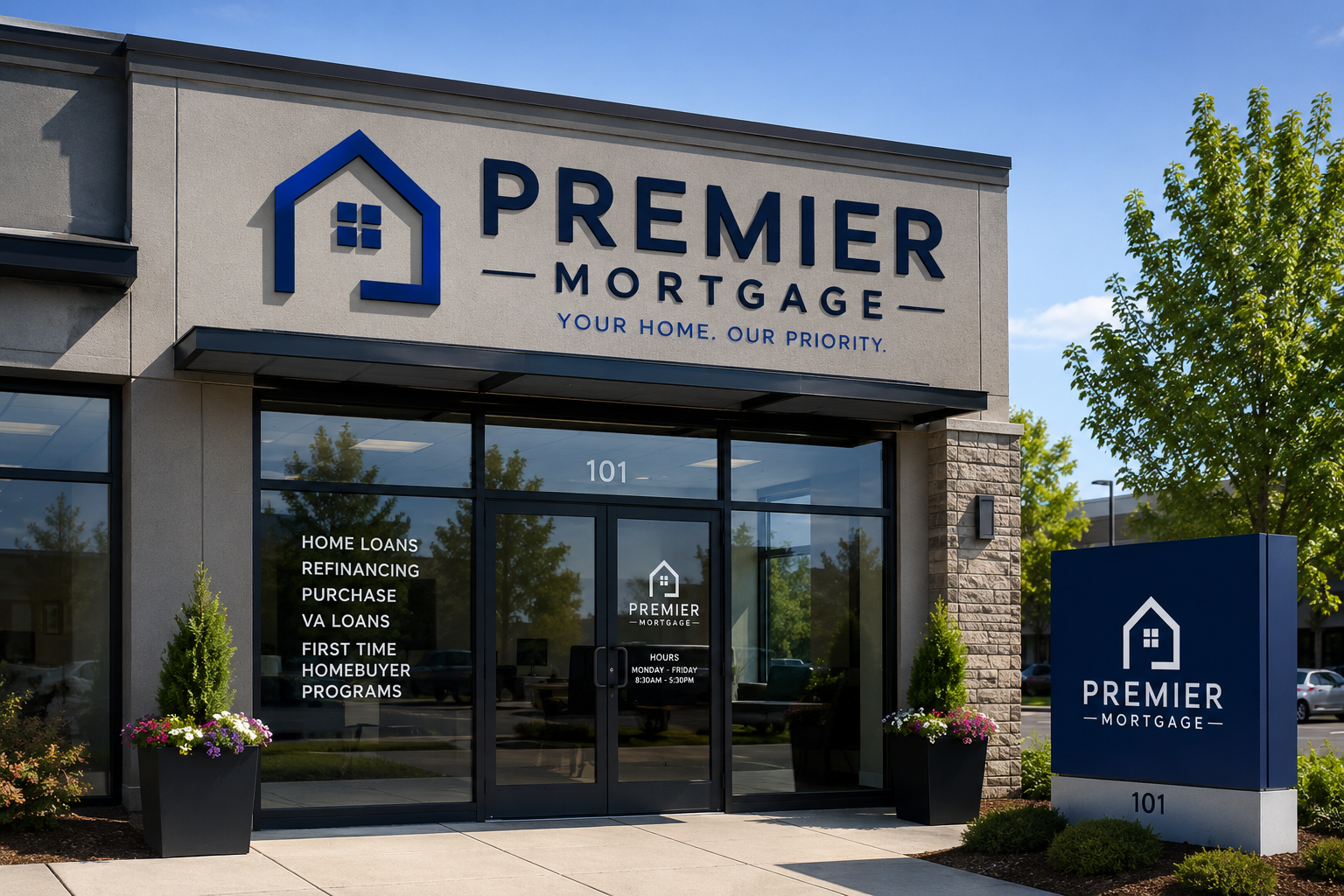
Commercial Mortgage Loans: What Property Buyers and Investors Need to Know
Buying commercial real estate is very different from purchasing a residential home. The property may generate income, support business operations, require improvements, or form part of a broader investment strategy. Because of these differences, commercial mortgage loans require careful financial planning before a borrower commits to a property.
From office and retail space to industrial buildings and multi-unit properties, every commercial purchase comes with its own risks and opportunities. Understanding how financing is assessed, what documents may be required, and how cash flow affects affordability can help borrowers make more informed decisions.
Start With the Purpose of the Commercial Property
Before exploring financing, define exactly why you are purchasing the property.
A business owner buying premises for operations has different priorities from an investor acquiring an income-producing building. An owner-occupied property may be evaluated differently from a property primarily intended to generate rental revenue.
When considering commercial mortgage loans, having a clearly defined purpose makes it easier to develop a realistic financing strategy.
Your plan should consider not only the purchase itself but also how the property will contribute to your financial objectives over time.
Evaluate the Property as a Business Asset
Commercial real estate should be assessed beyond its appearance or location.
Consider its condition, permitted use, accessibility, occupancy, maintenance requirements, and potential future expenses. If rental income is involved, examine whether that income appears sustainable.
A property that looks attractive initially can become financially challenging if operating costs are underestimated.
Cash Flow Matters in Commercial Financing
Cash flow is a central consideration for many commercial properties.
For an income-producing building, rental revenue may help support mortgage payments and operating expenses. For an owner-occupied property, the business itself needs sufficient financial strength to manage property-related obligations.
Borrowers researching commercial mortgage loans should therefore prepare detailed and realistic financial information.
Calculate More Than the Mortgage Payment
The mortgage is only one expense associated with commercial ownership.
Depending on the property, additional costs can include property taxes, insurance, utilities, repairs, maintenance, management, and improvements. Vacancy can also reduce expected income.
Create a financial projection that includes both predictable expenses and a reserve for unexpected costs.
If the numbers only work when every unit remains occupied and no repairs occur, the plan may be too optimistic.
Understand the Importance of the Down Payment
Commercial property financing may require borrowers to contribute meaningful equity to the transaction.
The amount can depend on factors such as property type, financial strength, intended use, and overall risk. Therefore, buyers should determine how much capital they can contribute without draining essential reserves.
When planning for commercial mortgage loans, avoid focusing solely on gathering enough funds to complete the purchase.
Keep Working Capital Available
Using every available dollar toward a commercial property can create problems after closing.
Businesses still need money for payroll, inventory, operations, maintenance, renovations, or unexpected expenses. Investors may need reserves to cover vacancies or repairs.
Maintaining working capital can provide important flexibility during periods when expenses are higher than expected.
Documentation Can Be More Detailed
Commercial financing often requires a broader financial picture than a straightforward residential mortgage application.
Depending on the transaction, borrowers may need to provide business financial information, income records, property details, leases, operating statements, projections, and information about existing debts.
Those exploring commercial mortgage loans can benefit from organizing documents before beginning the financing process.
Make Your Financial Information Easy to Understand
Accurate records can strengthen financial planning regardless of the financing outcome.
Organize revenue, expenses, liabilities, assets, and property-related information clearly. If income varies significantly from year to year, understand why.
For investment properties, keep lease information and operating expenses current.
Clear records make it easier to assess whether the property can realistically support its financial obligations.
Property Type Can Affect Financing
Not all commercial properties carry the same characteristics.
Office buildings, warehouses, retail units, mixed-use buildings, and other commercial assets may have different income patterns, operating requirements, and resale considerations.
As a result, commercial mortgage loans should be evaluated in the context of the specific property rather than commercial real estate as a single category.
Consider Marketability and Future Use
Think beyond your immediate plans.
Could the property serve another purpose if your business needs changed? Would it appeal to other occupants? Does the location support continued commercial demand?
A property with limited alternative uses may create additional risk if circumstances change.
Understanding these possibilities can help buyers make more balanced decisions.
Stress-Test the Investment Before Borrowing
Financial projections often look attractive when they assume ideal conditions. Responsible planning considers less favourable scenarios as well.
For an investment property, calculate what happens if a tenant leaves or maintenance costs increase. For an owner-occupied property, consider how the mortgage would affect the business during a temporary decline in revenue.
Before accepting commercial mortgage loans, determine whether the property remains manageable under reasonable financial pressure.
Maintain a Contingency Reserve
Commercial buildings can generate substantial unexpected expenses.
Mechanical systems may fail, structural repairs may become necessary, or improvements may cost more than anticipated. A reserve fund can prevent these expenses from immediately disrupting business cash flow.
Contingency planning is particularly important when purchasing an older property or one requiring significant improvements.
Think About Your Exit Strategy
Commercial property decisions should include a long-term perspective.
Before entering commercial mortgage loans, consider what you expect to do with the property in the future. You may intend to hold it for many years, refinance later, expand operations, or eventually sell.
No plan is guaranteed, but having a clear direction helps you evaluate whether the financing structure supports your broader objectives.
Conclusion: Finance Commercial Property With a Business Mindset
Commercial mortgage loans can help business owners and investors acquire properties that support operations, generate income, or contribute to long-term investment goals. However, commercial financing requires more than determining whether monthly payments appear affordable.
Evaluate the property carefully, create realistic cash-flow projections, maintain adequate working capital, organize financial documentation, and prepare for vacancies or unexpected expenses.
Most importantly, treat the property as both real estate and a financial asset. By approaching commercial mortgage loans with realistic assumptions, adequate reserves, and a clear long-term strategy, borrowers can make more informed commercial property decisions.